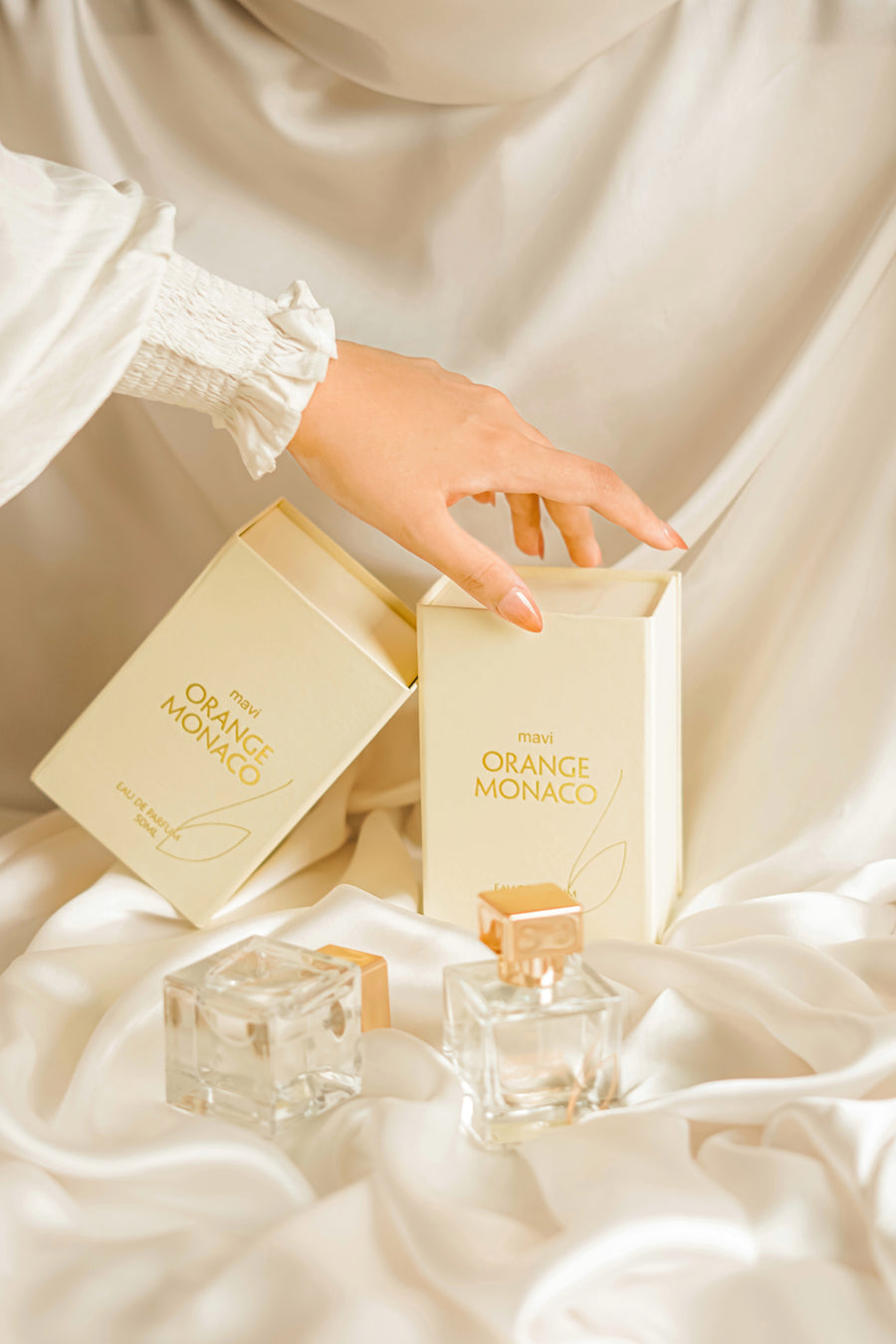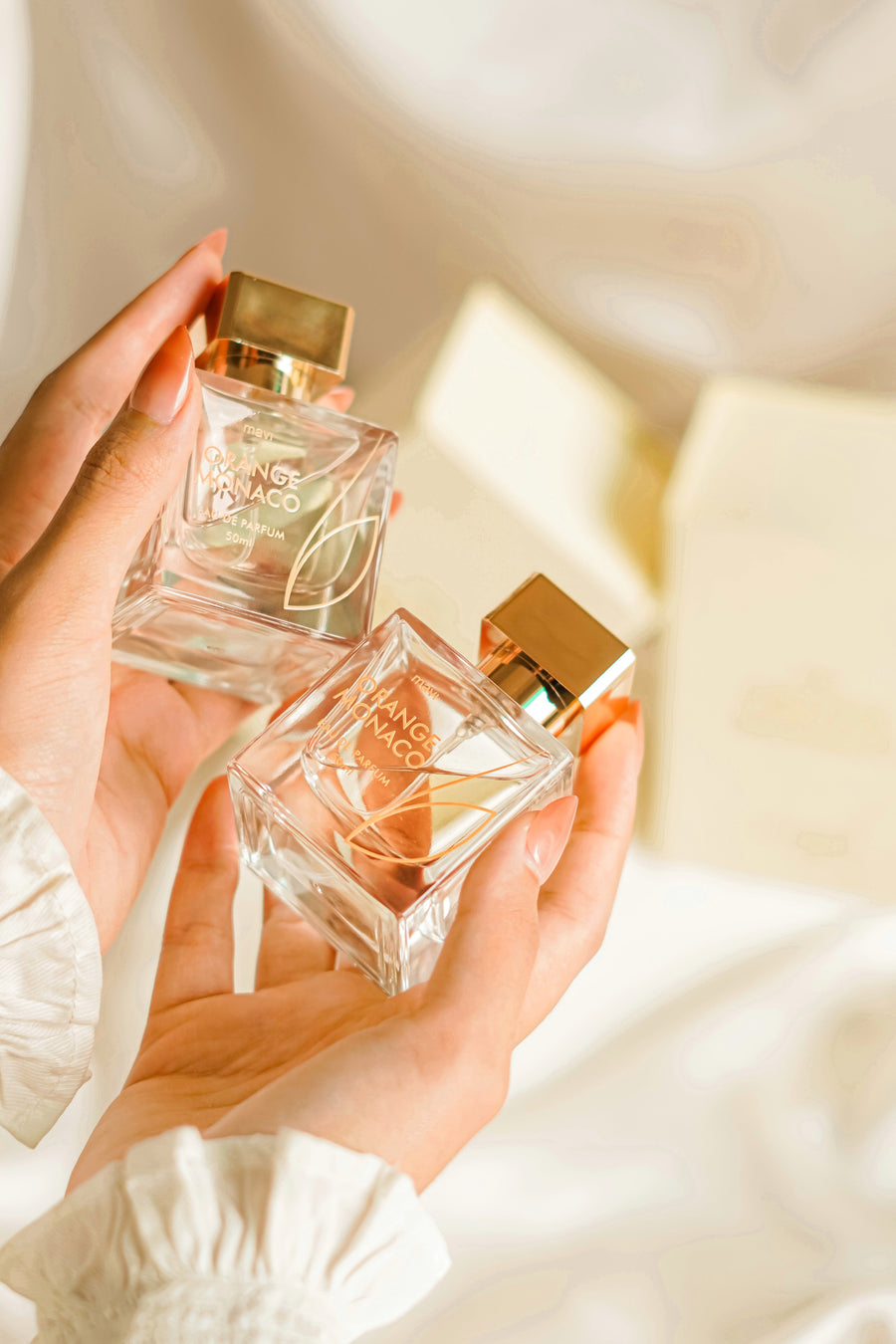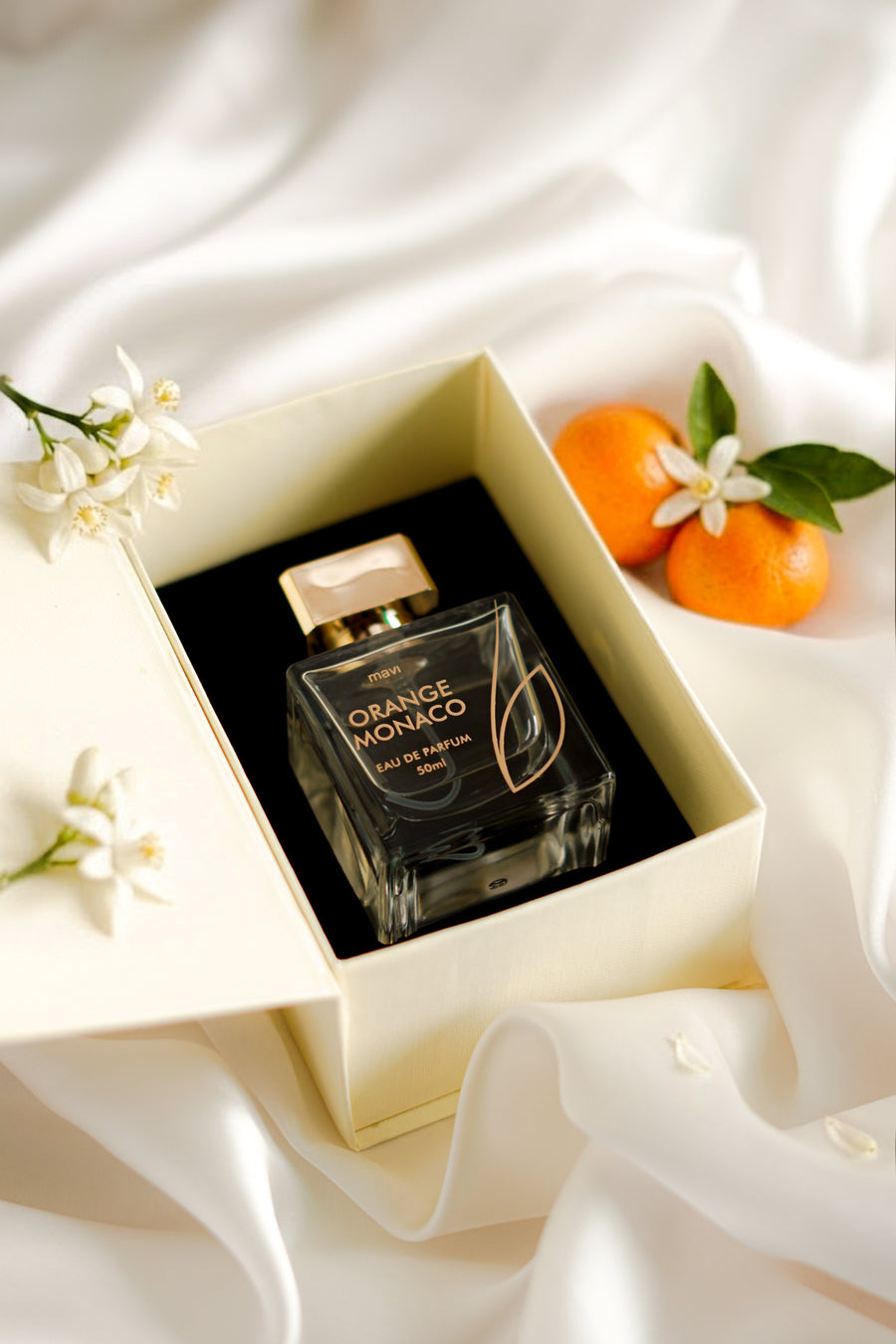
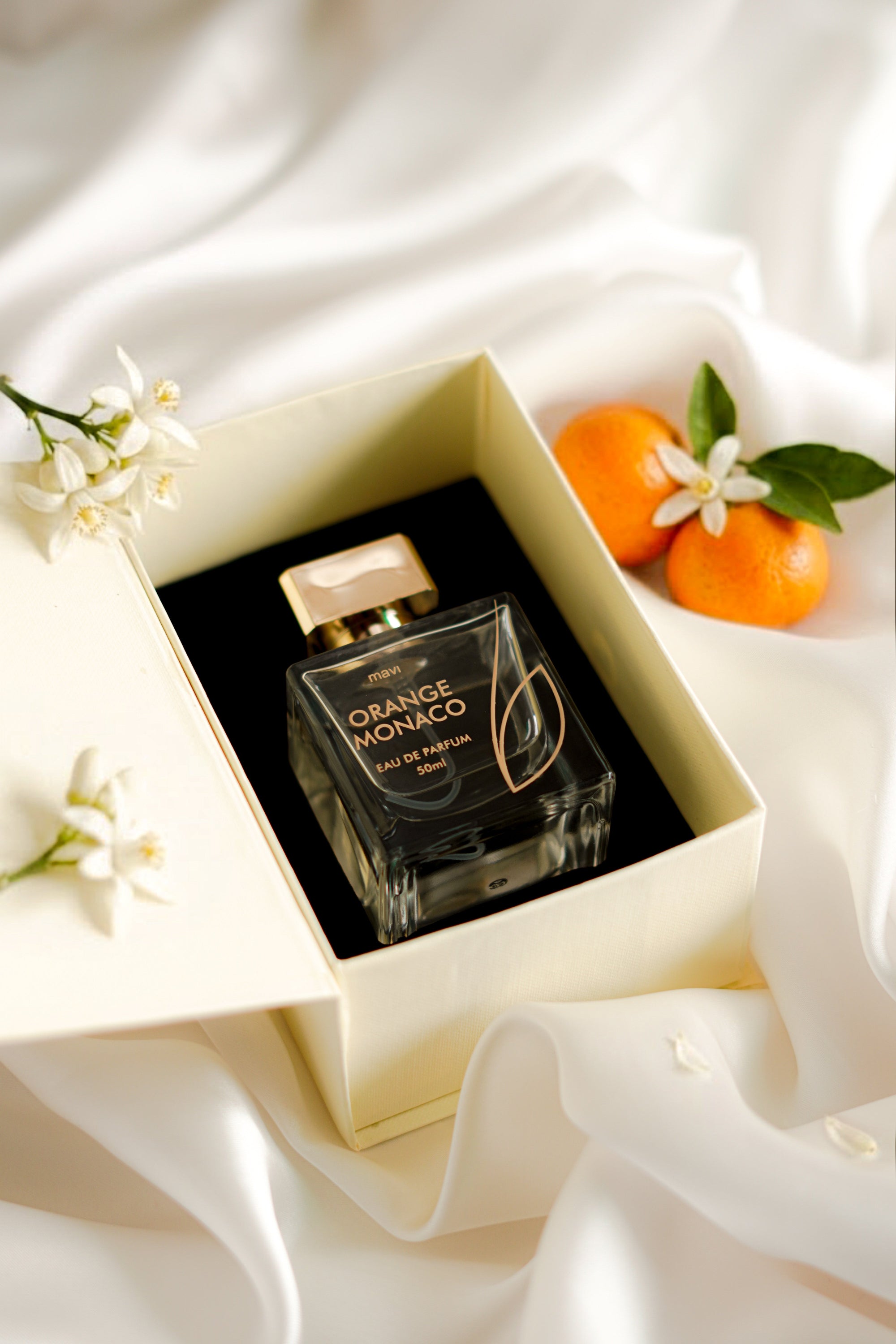
Fragrance holds a special place in Islamic culture. The Prophet Muhammad (PBUH) loved beautiful scents, and for Muslim women today, wearing perfume is both a tradition and a form of self-care. But choosing the right fragrance as a modern Muslim woman comes with its own considerations.
Do Mavi perfumes contain alcohol?
Yes, our perfumes contain cosmetic alcohol, which is used to safely carry and diffuse the fragrance. This type of alcohol is different from alcoholic drinks and is not intended for drinking or intoxication. It is the same denatured ethanol that is found in antiseptics and disinfectants used in every Pakistani household. Majority of contemporary Muslim scholars consider the use of such denatured alcohol in perfumes to be permissible because it is used for fragrance, not consumption, and it is chemically different from the drinkable, non-halal alcohol.
If you have any personal religious concerns, we encourage you to follow the opinion of the scholar you trust.
Fragrance Notes That Resonate
Certain fragrance notes have deep roots in Middle Eastern and South Asian culture and are beloved by Muslim women around the world:
- Oud (Agarwood): Rich, smoky, and deeply luxurious — a timeless classic.
- Rose: Pure, romantic, and universally loved. Rose attar is one of the most precious in the world.
- Musk: Soft, clean, and skin-like — a perfect base for any fragrance.
- Amber: Warm and enveloping, with a sense of comfort and elegance.
- Sandalwood: Creamy, grounding, and meditative.
Wearing Fragrance with Intention
For the modern Muslim woman, fragrance is not just about smelling good — it's about feeling centered, confident, and connected to her identity. Whether you're heading to a family gathering, a professional meeting, or a quiet evening at home, the right scent can elevate your entire presence.
A Note on Wearing Perfume Modestly
Islamic etiquette suggests that women wear fragrance in a way that is personal rather than overpowering in public. Opt for subtle, skin-close scents in public spaces and save your bolder, more expressive fragrances for private settings or all-women gatherings.
Your scent is your secret — wear it with grace.